
Fleet Roadside Assistance Plans: What to Look For
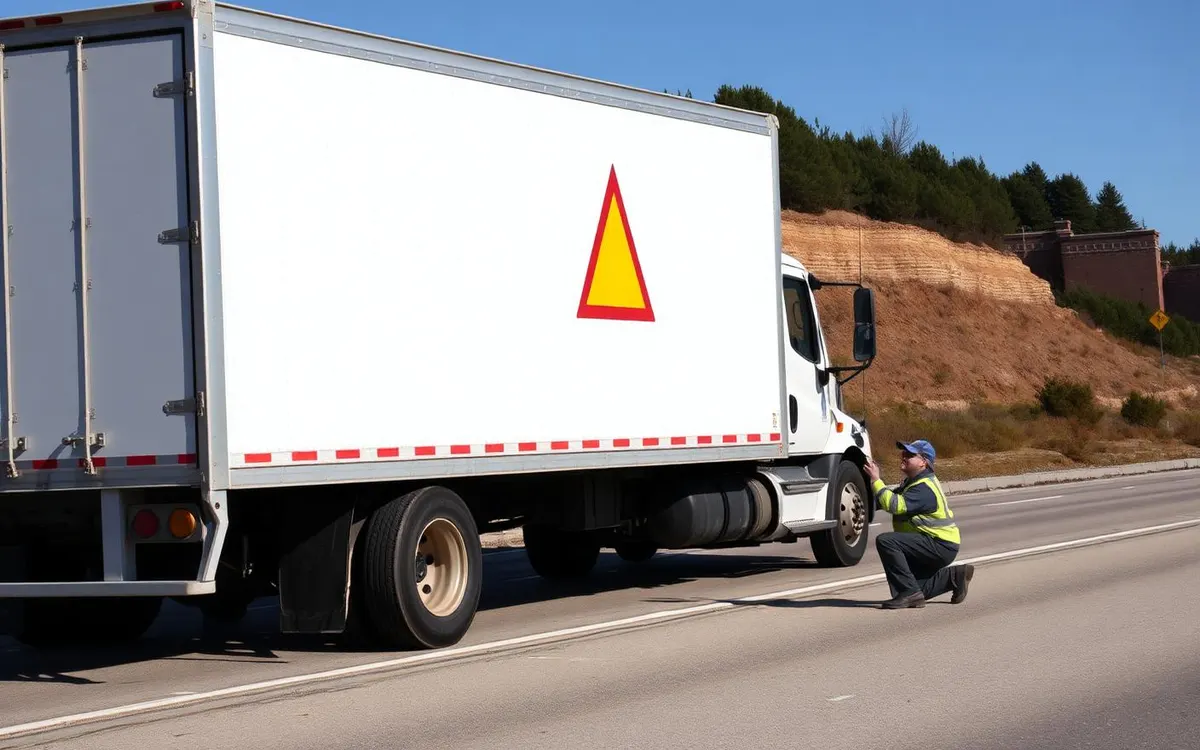
A breakdown costs a fleet more than the repair. There's the idle driver, the delayed route, the load that has to move to another truck, and the customer waiting on the other end. A fleet roadside assistance plan is meant to shrink all of that. But plans vary widely in what they actually cover, and the gaps usually show up at the worst possible moment.
Here's what to look for before you sign up for one.
What a fleet roadside assistance plan covers
Most plans include some combination of:
- Jump starts and battery service
- Lockouts
- Fuel delivery
- Tire changes and inflation
- Minor repairs where the vehicle stopped
- Towing when the vehicle can't be fixed on the spot
That list looks similar from one provider to the next. The real differences are in how the service works, which vehicles it covers, and what happens after the roadside call ends.
Consumer plans vs. fleet plans
Consumer roadside programs are built for passenger cars. They often limit coverage by vehicle weight, cap the number of calls, or exclude vehicles used for business. If your fleet includes box trucks, heavy-duty units, or vehicles with upfits, check the fine print before assuming they're covered.
Fleet-focused roadside service should cover the vehicles you actually run, from cargo vans to heavy-duty and diesel trucks, without surprises about weight class or commercial use.
Seven questions to ask any provider
- Who actually shows up? Some plans are brokers that pass your call to whichever local company answers. Others dispatch their own technicians. The difference affects both response and accountability.
- Is dispatch really 24/7? Breakdowns don't keep business hours. Confirm that someone answers at night, on weekends, and on holidays.
- What's the typical response time, and where? Ask for response times in your actual operating area, not a national average.
- Which vehicles are covered? Get the weight classes and vehicle types in writing.
- What can be fixed on the spot? A plan that can only tow turns every flat tire into a lost day.
- What happens after the tow? If the vehicle goes to a shop you've never used, you start over explaining the problem and approving the work.
- How is it recorded? The roadside call should become part of the vehicle's service history, so repeat problems are visible.
The part most plans miss: the follow-up repair
The roadside call is only half the event. Once the vehicle is running or towed, it still needs a proper diagnosis and repair. When the roadside provider and the maintenance provider are separate companies, you're the one coordinating between them.
When they're the same company, the technician's notes from the roadside call carry straight into the repair, and the whole incident lands in one record. That continuity is worth more than any single feature on a plan's checklist.
Prevention beats any plan
The cheapest roadside call is the one that never happens. Many breakdowns trace back to predictable failures: weak batteries, worn tires, neglected brakes, overdue fluid service. A preventative maintenance program is built to catch exactly these problems during scheduled visits, before they strand a driver.
The best setup pairs the two: scheduled maintenance that keeps breakdowns rare, and roadside support that handles the ones that still happen.
How Boston Fleet Services handles roadside support
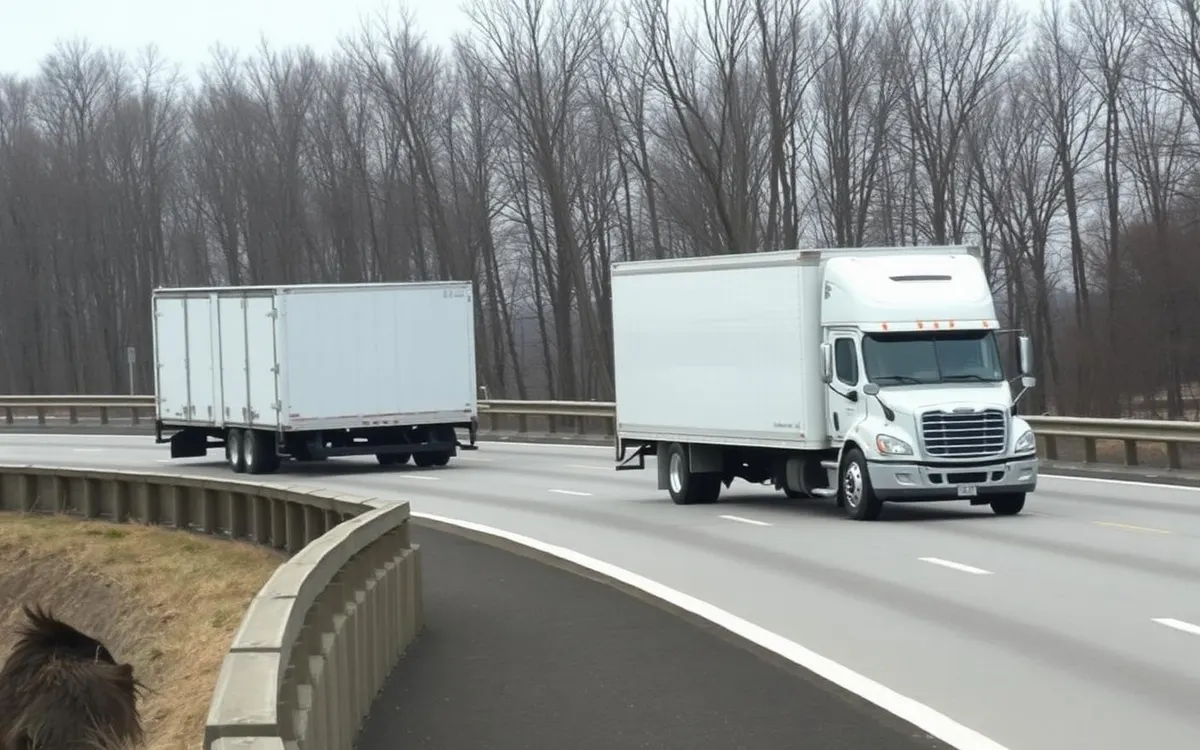
Boston Fleet Services provides 24/7 emergency roadside assistance for commercial fleets as part of the same account that covers their maintenance. Our dispatch runs around the clock, and in our primary service area the average roadside ETA is under 60 minutes.
On a roadside call we handle jump starts, lockouts, fuel delivery, tire changes, and minor repairs on the spot. When a unit can't be fixed where it sits, we coordinate the tow and continue the repair on-site or at our shop, so you keep one point of contact from the call to the fix. Every incident is recorded against the vehicle's VIN with the rest of its service history.
We work with light, medium, and heavy-duty fleets across Massachusetts, New Hampshire, Maine, Rhode Island, and Connecticut. To set up roadside coverage for your fleet, call (781) 650-6551.
Need Professional Fleet Maintenance?
Contact Boston Fleet Services for expert mobile maintenance and repair services.