
Why Regular Fleet Inspections Are Crucial for Safety
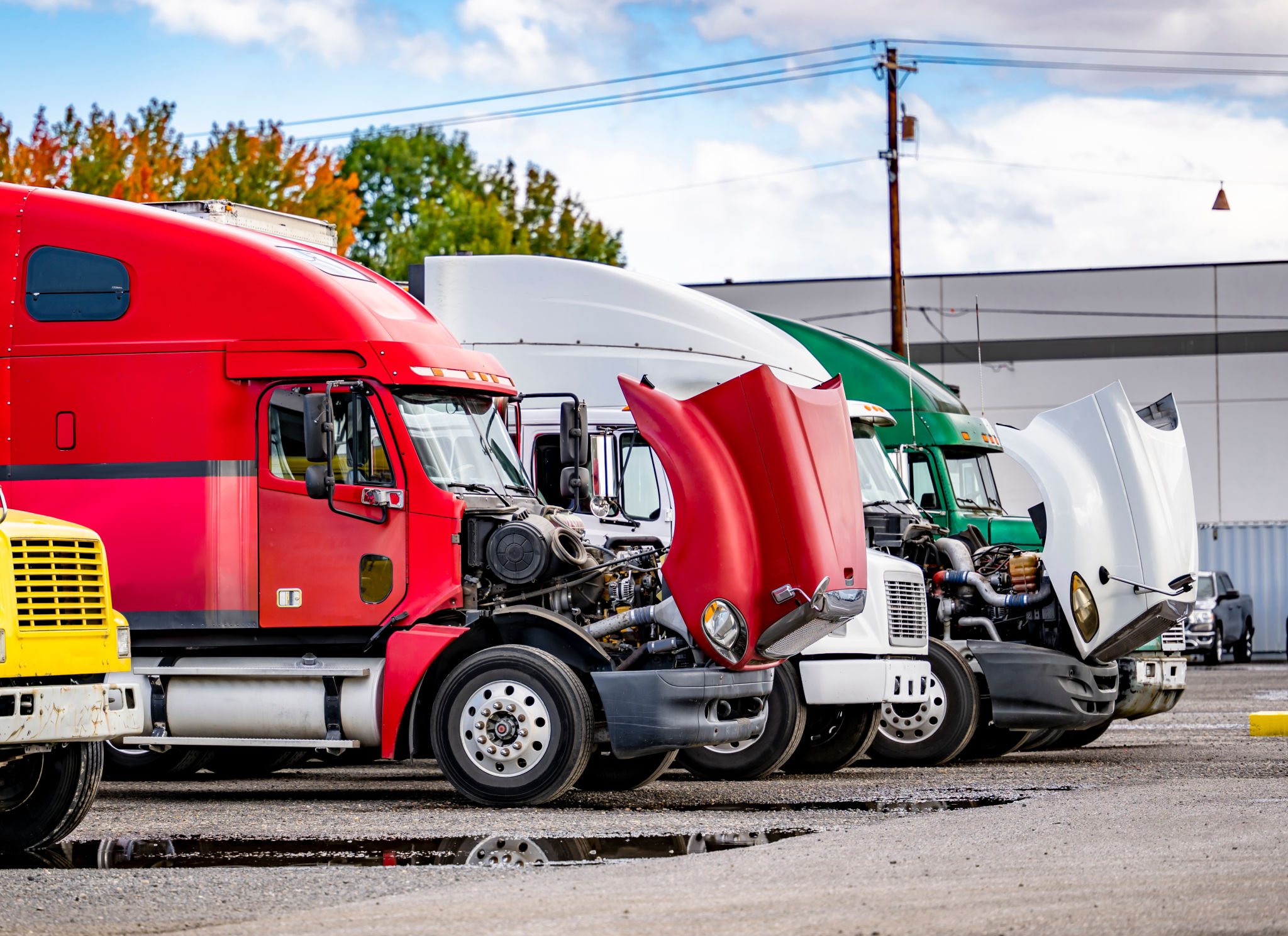
Ensuring Vehicle Safety Through Regular Inspections
In the world of fleet management, safety is a paramount concern. Regular fleet inspections are not just a good practice but a crucial step to ensure the safe operation of vehicles. These inspections help identify potential issues before they become costly, dangerous problems on the road.
By conducting thorough inspections, fleet managers can maintain a higher standard of vehicle safety. This practice minimizes the risk of accidents caused by mechanical failures, thereby protecting drivers, passengers, and other road users.

Preventive Maintenance: The Key to Longevity
One of the primary benefits of regular fleet inspections is the ability to perform scheduled preventive maintenance. Identifying wear and tear early allows fleet managers to schedule repairs proactively, reducing downtime and extending the lifespan of vehicles. This approach not only saves money but also ensures that vehicles remain in optimal condition for longer periods.
During inspections, technicians can check critical components such as brakes, tires, and lights. Addressing these elements promptly can prevent more significant issues from developing, ensuring that the fleet remains operational and safe.
Compliance with Regulations
Fleet inspections are also vital for ensuring compliance with industry regulations and standards. Many countries have specific requirements for vehicle safety that must be met to operate legally. Regular inspections help fleet operators stay compliant with these rules, avoiding potential fines and legal issues.
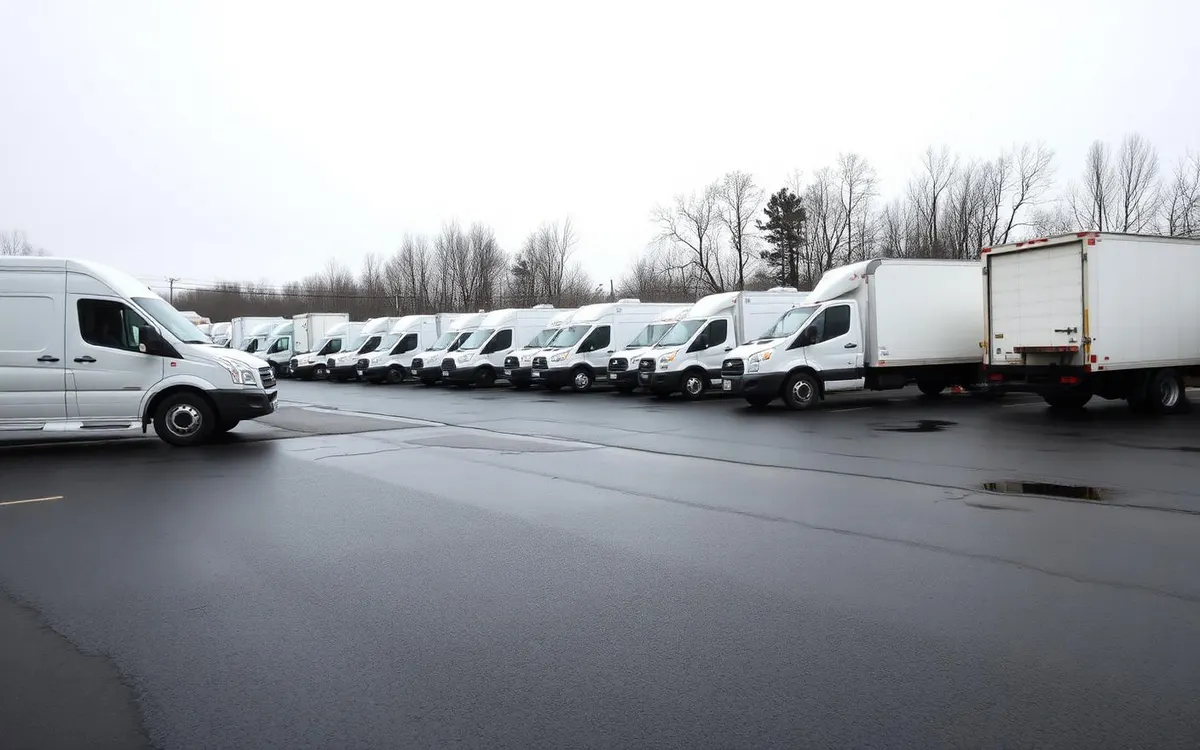
Compliance not only protects the company from legal trouble but also enhances its reputation. Clients and customers are more likely to trust a business that prioritizes safety and adheres to regulatory standards.
Boosting Driver Confidence and Morale
Regular inspections can have a positive impact on driver confidence and morale. When drivers know their vehicles are well-maintained, they feel more secure behind the wheel, leading to improved job satisfaction and performance.
This sense of safety can reduce stress levels and increase focus while driving, contributing to a safer road environment for everyone. A confident driver is more likely to handle unexpected situations calmly and effectively.

The Cost-Effectiveness of Regular Inspections
While some may view regular inspections as an added expense, they are, in fact, a cost-effective strategy. The cost of routine maintenance is significantly lower than the expenses associated with major repairs or accident-related damages.
Moreover, well-maintained vehicles are more fuel-efficient, which can lead to substantial savings over time. By investing in regular inspections, fleet managers can enjoy reduced operating costs while ensuring the safety of their drivers and vehicles.
Conclusion: A Commitment to Safety
In conclusion, regular fleet inspections are an essential component of a comprehensive safety strategy. They provide numerous benefits, from preventing costly repairs to boosting driver confidence and ensuring compliance with regulations.
By prioritizing these inspections, fleet managers in Boston demonstrate a commitment to safety that protects their employees, their assets, and the public. In the long run, this commitment pays dividends in terms of reduced risks and enhanced reputation. Book DOT annual inspections at your yard and keep every unit road-legal.
Need Professional Fleet Maintenance?
Contact Boston Fleet Services for expert mobile maintenance and repair services.