
How Seasonal Changes Affect Fleet Performance in Massachusetts
How Seasonal Changes Affect Fleet Performance in Massachusetts
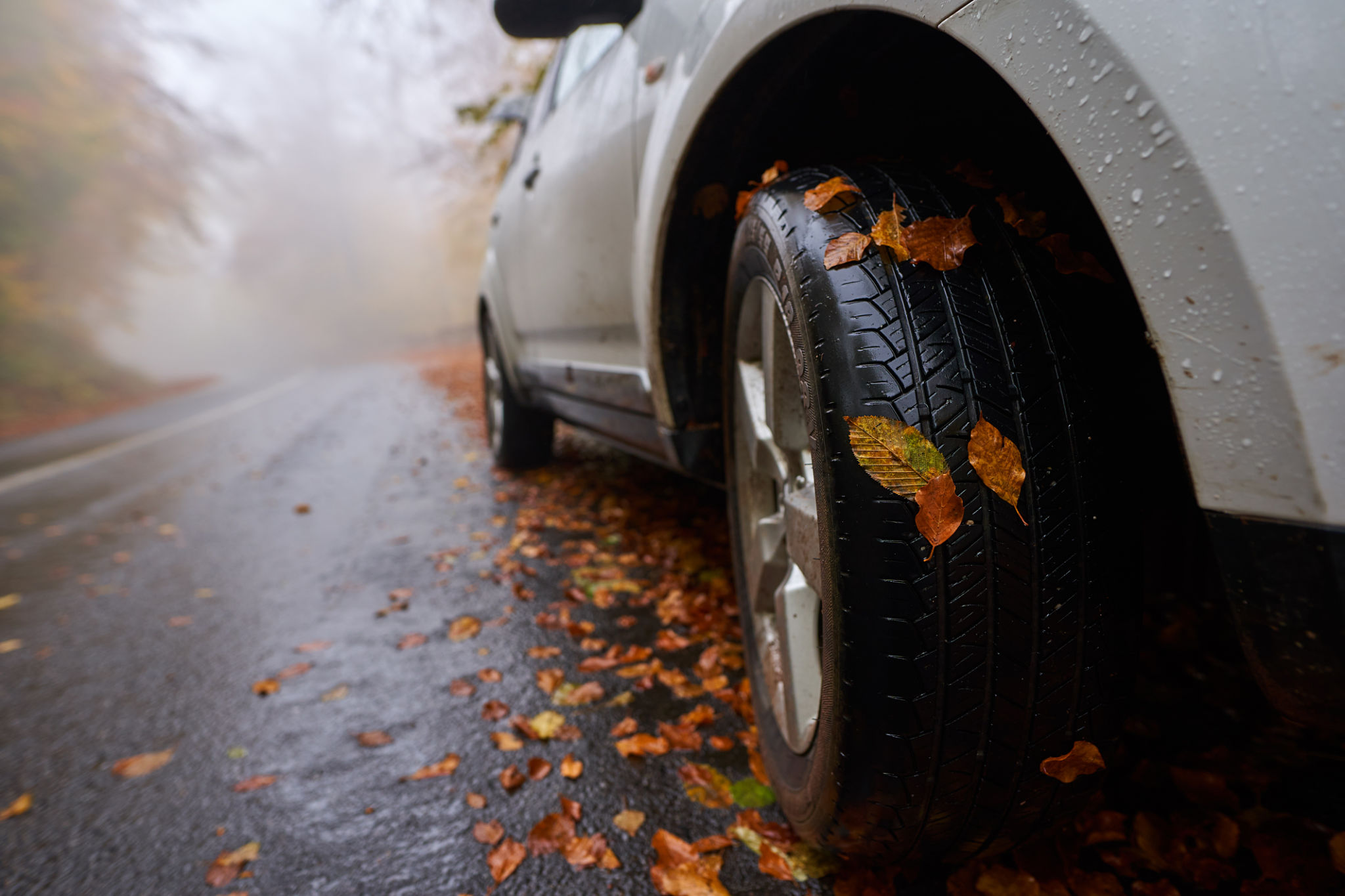
Massachusetts experiences a wide array of seasonal changes, each bringing its own set of challenges and opportunities for fleet performance. From the harsh winters to the humid summers, understanding how these changes affect fleet operations is crucial for maintaining efficiency and safety.
Winter Challenges
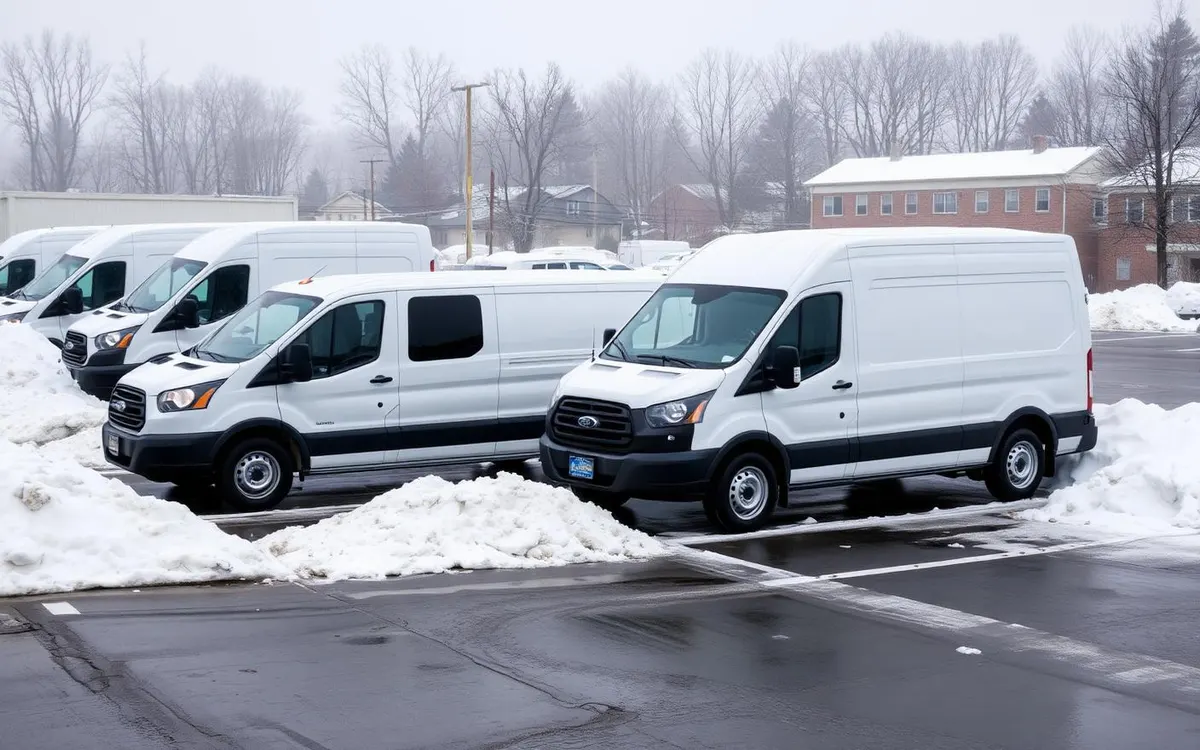
Winter in Massachusetts is notorious for its snow and ice, which can severely impact fleet performance. Vehicles must be equipped with the right tires and anti-freeze systems to handle slippery roads and freezing temperatures. Additionally, fleets should implement regular maintenance checks to ensure that engines and batteries are winter-ready.
Another major concern during the winter months is road salt. While it helps to melt ice, it can also corrode vehicle parts. Regular washing and undercoating can help protect against salt damage and prolong vehicle life.
Winter Fuel Efficiency
Cold weather can also reduce fuel efficiency. Engines take longer to reach optimal operating temperatures, and auxiliary systems like heaters can increase fuel consumption. Fleet managers should consider using fuel additives and block heaters to mitigate these effects.
Spring Thaw
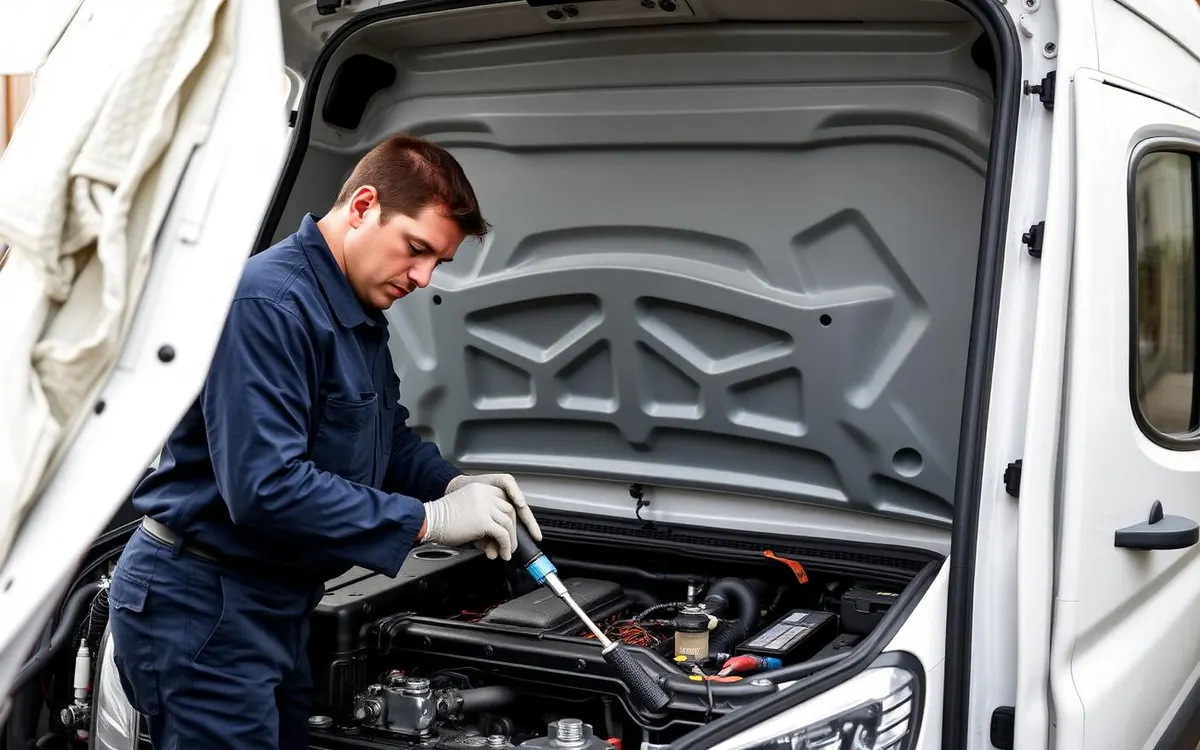
As the snow melts and spring arrives, fleets face new challenges. Potholes become more prevalent, potentially damaging tires and suspension and steering components. Regular inspections and prompt repairs are essential to avoid costly downtime.
Spring is also a good time to reassess and update vehicle maintenance routines. The transition from cold to warmer weather can impact tire pressure and fluid levels, requiring adjustments to ensure optimal performance.

Environmental Considerations
The spring season also brings increased rainfall, which can lead to slick roads and reduced visibility. Fleet drivers should be trained to handle these conditions safely, emphasizing cautious driving and proper vehicle spacing.
Summer Heat
Summer introduces its own set of challenges for fleet operations. High temperatures can lead to overheating, stressing engines and cooling systems. Regular checks of coolant levels and the condition of hoses and belts are vital to prevent breakdowns.
Tire blowouts are another concern during the summer, as heat can cause tire pressure to increase. Maintaining proper tire inflation and monitoring tread wear can help mitigate this risk.
Fuel Efficiency in Summer
While fuel efficiency generally improves in warmer weather, the use of air conditioning can offset these gains. Fleet managers should encourage drivers to use air conditioning judiciously and consider route optimization to reduce fuel consumption.
Fall Preparation
The transition to fall is an ideal time to prepare vehicles for the upcoming winter. This includes checking heating systems, replacing wiper blades, and ensuring that all lights are functioning properly.
Fall is also a good time to review and update driver training programs, focusing on safe driving practices for the winter months ahead.
Conclusion
In Massachusetts, the changing seasons significantly impact fleet performance. By understanding these effects and implementing proactive measures, fleet managers across Greater Boston can ensure their vehicles remain safe and efficient year-round. Regular maintenance, driver training, and strategic planning are key to navigating the diverse challenges each season presents. Boston Fleet Services handles seasonal prep in your yard — see our mobile fleet maintenance in Boston.
Need Professional Fleet Maintenance?
Contact Boston Fleet Services for expert mobile maintenance and repair services.