
Expert Tips For Reducing Fleet Downtime

Understanding Fleet Downtime
Fleet downtime can significantly impact a business's bottom line, leading to lost revenue and increased operational costs. Understanding the causes and implementing strategies to minimize downtime is essential for maintaining an efficient operation. Whether it's due to maintenance, repairs, or other unforeseen issues, reducing downtime can enhance productivity and profitability.

Regular Maintenance Is Key
One of the most effective ways to reduce fleet downtime is through regular and proactive maintenance. Establishing a maintenance schedule ensures that vehicles are serviced before issues arise. Regular checks on brakes, tires, oil levels, and other critical components can prevent unexpected breakdowns. This not only extends the life of the vehicles but also minimizes the risk of sudden failures.
Utilizing a digital maintenance tracking system can further streamline this process. These systems can send alerts when it's time for service, keeping your fleet in top condition and reducing the likelihood of unplanned downtime.
Implementing Driver Training Programs
Drivers play a crucial role in maintaining fleet health. Training programs focused on safe driving practices and basic vehicle care can significantly reduce wear and tear. Educating drivers on how to perform simple inspections before and after trips can catch potential issues early. This proactive approach can prevent minor problems from becoming major repairs.

Encouraging responsible driving habits not only enhances safety but also reduces fuel consumption and extends vehicle life. Investing in driver training is a cost-effective measure for long-term savings.
Leveraging Technology
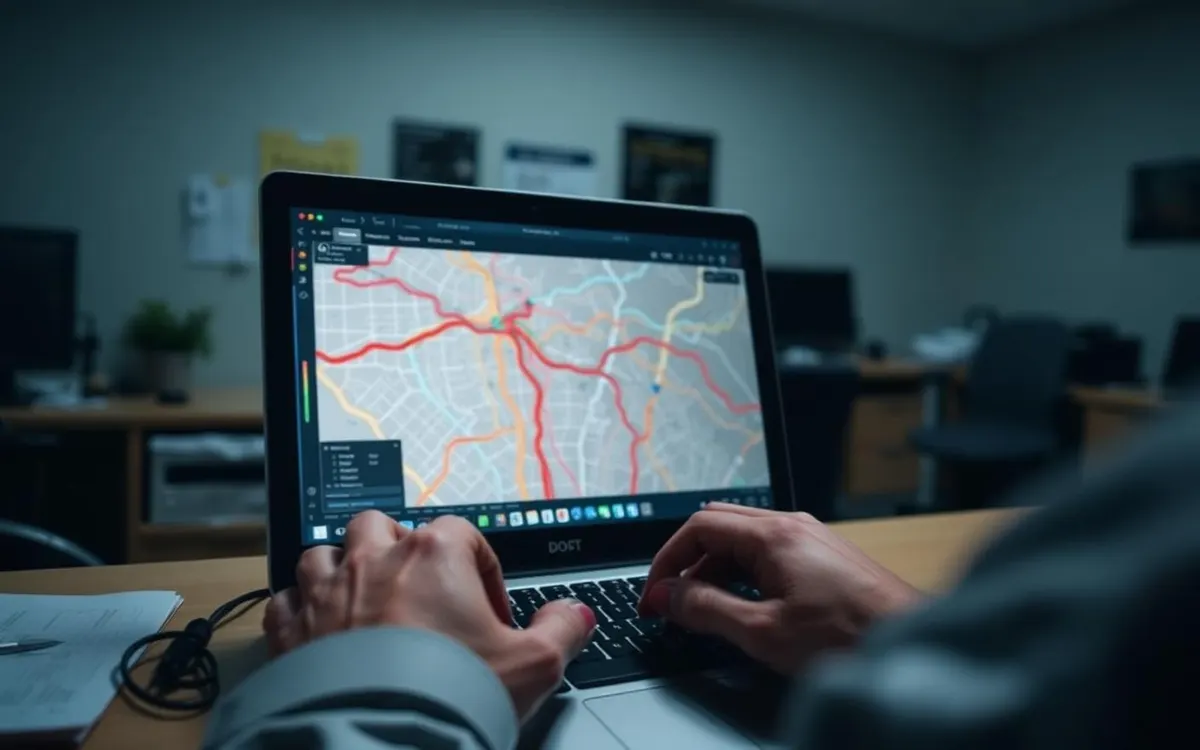
Technology can be a powerful ally in minimizing fleet downtime. GPS tracking and telematics systems provide real-time data on vehicle performance and location. This information can be used to monitor driving behavior, optimize routes, and schedule maintenance more effectively.
Telematics can alert fleet managers to potential issues before they result in breakdowns, allowing for timely interventions. Integrating technology into fleet management ensures more efficient operations and reduced downtime.
Efficient Inventory Management
Having the right parts available when needed is crucial for minimizing downtime. Efficient inventory management ensures that common replacement parts are always in stock. Working closely with suppliers can help predict demand and avoid delays in obtaining necessary components.
Maintaining a well-organized inventory system can prevent prolonged vehicle downtime due to waiting for parts. This strategic approach ensures repairs are completed swiftly and efficiently.
Analyzing Downtime Data
Analyzing downtime data can provide valuable insights into recurring issues and potential improvements. By keeping detailed records of each downtime incident, fleet managers can identify trends and root causes. This data-driven approach allows for targeted strategies to address specific problems and improve overall fleet performance.
Regularly reviewing this data helps in making informed decisions and implementing continuous improvements. It also aids in setting realistic performance benchmarks and goals for the fleet.
Conclusion
Reducing fleet downtime requires a combination of regular maintenance, driver training, technological integration, efficient inventory management, and data analysis. By implementing these expert tips, businesses across Greater Boston can enhance their fleet's efficiency, reduce costs, and improve overall productivity. Keeping a fleet running smoothly is not just about addressing problems as they arise but anticipating and preventing them through strategic planning and proactive management. Our mobile fleet maintenance technicians in Boston come to your yard so units never queue for a bay.
Need Professional Fleet Maintenance?
Contact Boston Fleet Services for expert mobile maintenance and repair services.