
Top 5 Preventive Maintenance Tips for Fleet Managers
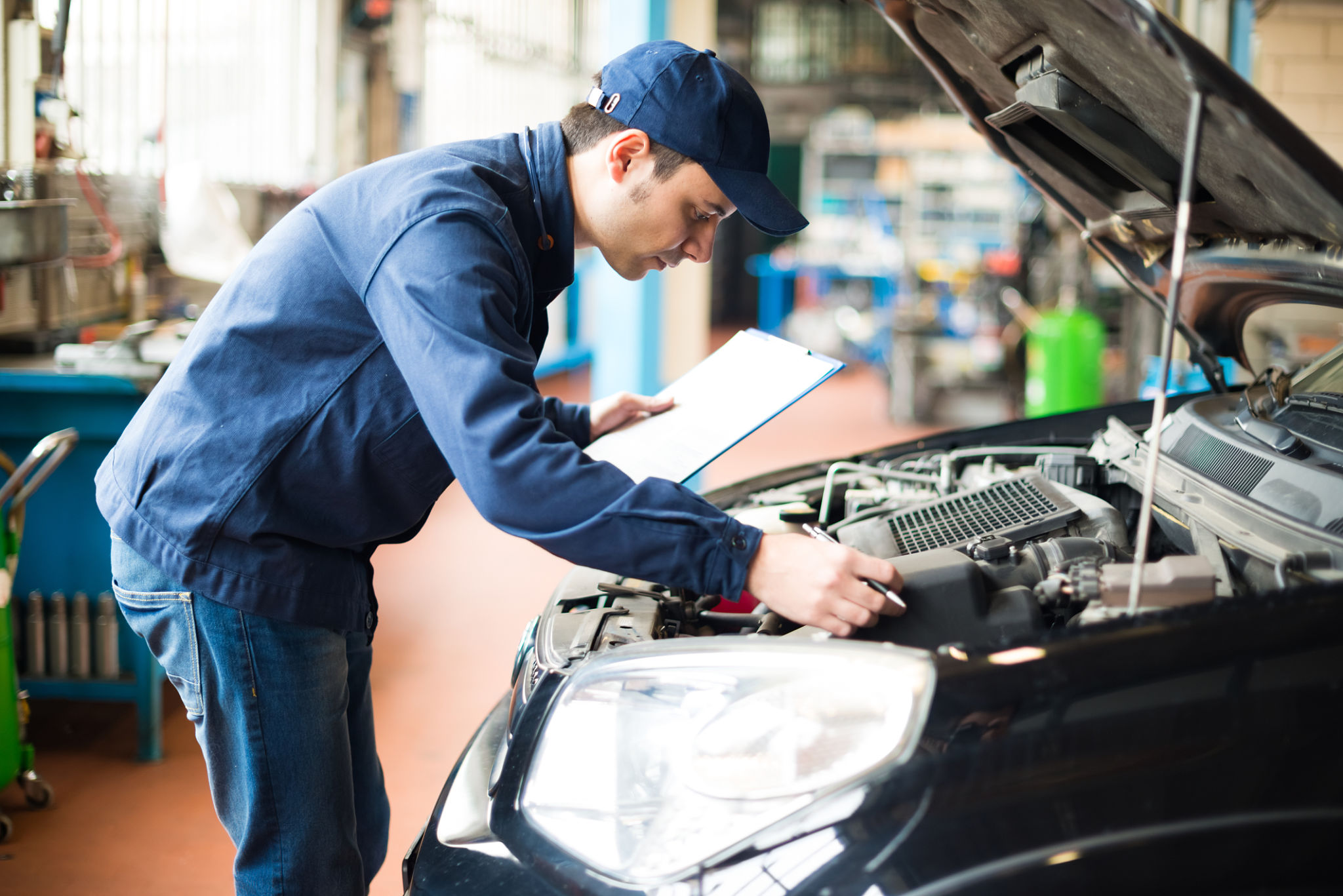
Managing a fleet efficiently requires not only keeping operations smooth but also ensuring that every vehicle is running at its best. Preventive maintenance is key to achieving this. Let's explore the top five tips that fleet managers should keep in mind to maintain a healthy and efficient fleet.
Establish a Regular Maintenance Schedule
One of the most critical steps in preventive maintenance is setting up a consistent schedule. Regular inspections and servicing prevent unexpected breakdowns and costly repairs. This schedule should include oil changes, brake inspections, and tire checks. Keeping track of each vehicle's maintenance history is essential for timely servicing.
Track Vehicle Performance
Utilizing telematics and other tracking technologies can provide insights into how vehicles are performing. Monitoring fuel efficiency, engine performance, and driver behavior helps identify issues before they become major problems. This data-driven approach ensures that fleet operations remain efficient and cost-effective.
Benefits of Tracking Systems
Implementing tracking systems allows fleet managers to receive real-time alerts about potential issues. This proactive approach helps in reducing downtime and extending the lifespan of vehicles. Investing in such technology can lead to significant savings in the long run.
Conduct Thorough Inspections
Regular inspections should be thorough and cover all critical components of a vehicle. This includes checking fluid levels, inspecting belts and hoses, and ensuring that lights and signals are functioning correctly. A detailed checklist can help ensure that no part of the vehicle is overlooked.

Empower Your Team
Training drivers and maintenance staff to identify and report issues early can greatly enhance preventive maintenance efforts. Empowering your team with the knowledge and tools to conduct basic inspections ensures that small issues are caught early, preventing more significant problems down the line.
Keep an Eye on Tire Health
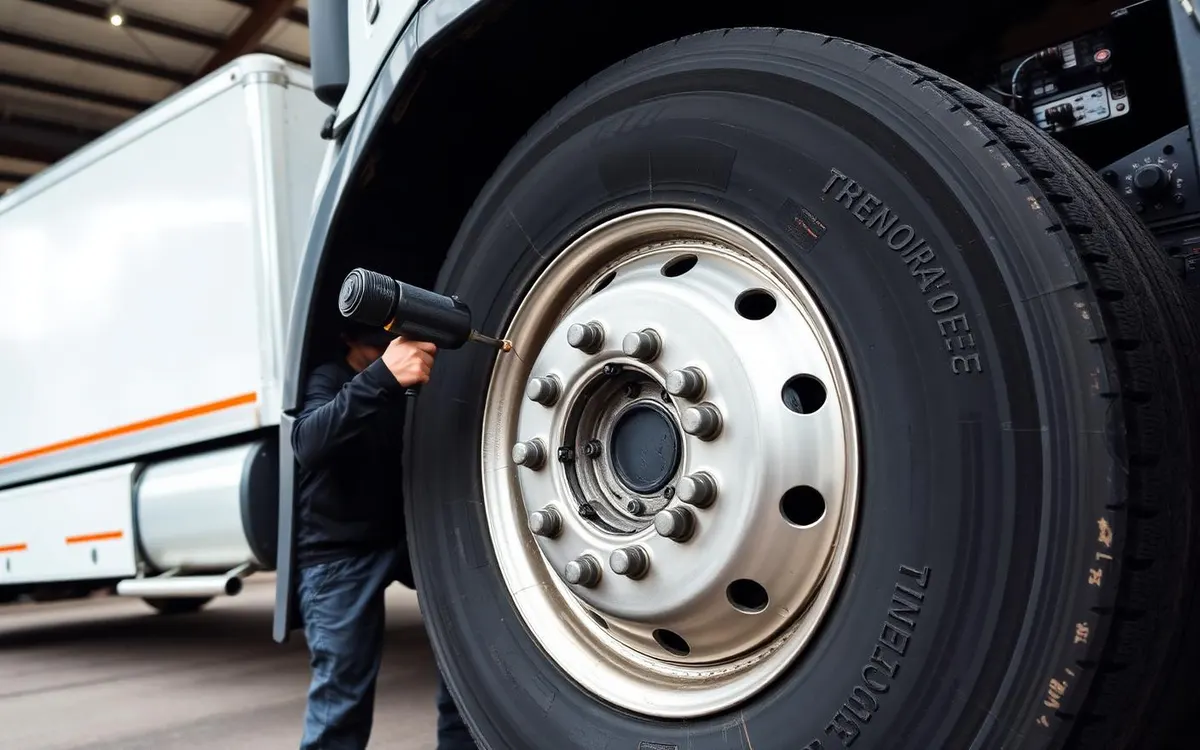
Tires are a crucial component of any vehicle, and maintaining their health is vital. Regularly checking tire pressure, alignment, and tread depth can prevent accidents and improve fuel efficiency. Underinflated tires, for example, can lead to increased fuel consumption and wear.
Use Quality Parts and Materials
Investing in high-quality parts and materials can make a significant difference in the longevity and performance of your fleet. Whether it's choosing the right type of oil or opting for durable tires, quality components ensure that maintenance efforts are more effective.
Implement a Reporting System
Establishing a clear and efficient reporting system helps in tracking maintenance activities and identifying recurring issues. This system should allow for easy documentation and retrieval of maintenance records, facilitating better decision-making and planning.
In conclusion, preventive maintenance is an essential aspect of fleet management that requires careful planning and execution. By following these top tips, fleet managers in Boston can ensure their vehicles remain in top condition, ultimately saving time and money while enhancing safety and efficiency. Talk to us about a PM program built around your routes.
Need Professional Fleet Maintenance?
Contact Boston Fleet Services for expert mobile maintenance and repair services.